





Responsible Dog Ownership
Frequently Asked Questions
Quick answers to the questions new owners ask most.
Short, practical answers to the questions we hear most often from people thinking about getting a dog. For more detail, read the guides in this section.
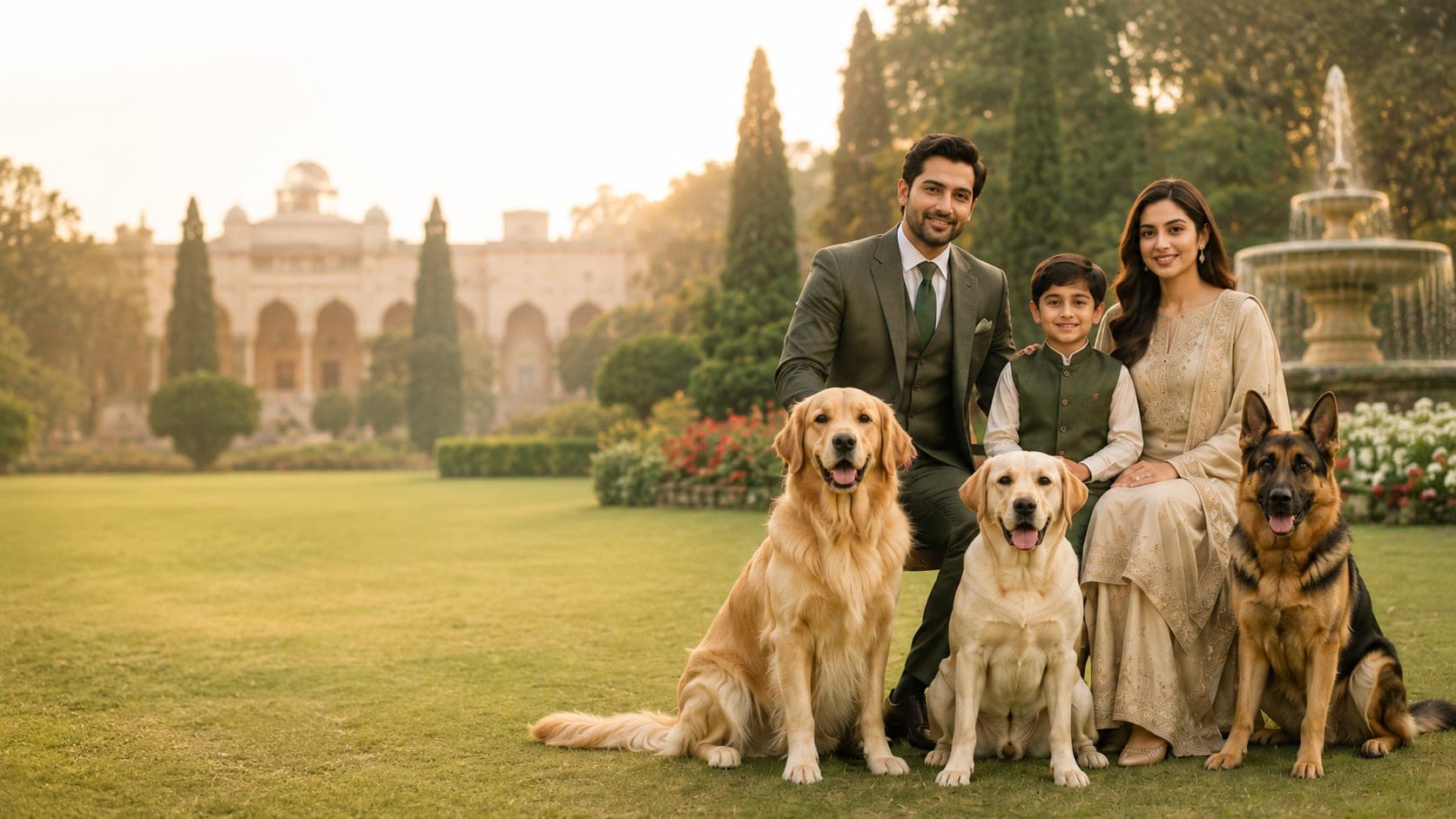
Which breed is suitable for my family?
The best breed is one whose energy, size and temperament match your lifestyle, home and the time you can give. Research what a breed was bred to do before choosing, and be honest about how active your household really is.
How much exercise does a puppy need?
Young puppies need short, gentle activity spread through the day rather than long walks, which can strain growing joints. As your puppy matures, exercise increases to suit its breed and age — ask your veterinarian for guidance.
What is an FCI pedigree?
It is an official record of a dog's ancestry maintained by the Kennel Club. It documents lineage and supports responsible breeding, but it is not a guarantee against health problems.
Should I buy from a pet shop?
It is far safer to buy directly from a responsible breeder, where you can see the puppy with its mother and how it was raised. Avoid any seller who will not let you visit the litter.
Why are health tests important?
Health tests help breeders avoid passing on inherited problems, giving puppies a healthier start. Ask whether a puppy's parents were tested for the conditions relevant to the breed.
When should I start training?
Begin gentle training and socialisation as soon as your puppy comes home. Early, positive lessons are the most effective and lay the foundation for a well-behaved adult dog.
How often should my dog visit a veterinarian?
At least once a year for a healthy adult dog, more often for puppies, senior dogs, or any time your dog seems unwell. Keep vaccinations and parasite control up to date.
What should I ask a breeder before buying a puppy?
Ask to meet the mother, to see where the puppies were raised, and about health tests, vaccinations, diet, and the pedigree and registration. A responsible breeder will answer openly and ask you questions too.
What is the difference between a registered breeder and a puppy mill?
A responsible breeder raises a small number of well-cared-for litters, prioritises health and temperament, and stays involved with the puppies' families. A puppy mill breeds for profit in poor conditions, with little regard for welfare.
Can every registered dog be bred?
No. Registration alone does not make a dog suitable for breeding. Only dogs with sound health, good temperament and the right qualities for the breed should be bred, and always with proper knowledge and care.